The Impact of Green Loans on Sustainable Development Goals (SDGs)
Explore how green loans drive sustainable development goals by financing eco-friendly projects. Learn how they align with SDGs and shape a brighter, greener future for all.
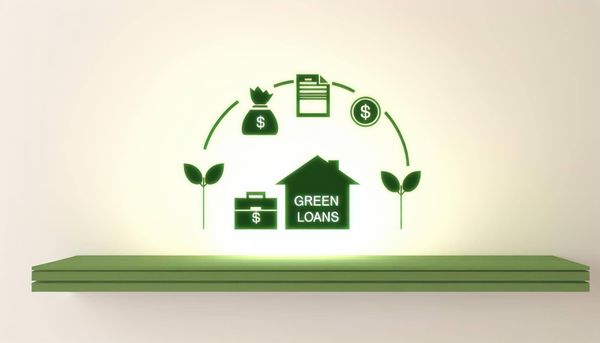
Green loans channel money into projects that directly support the UN Sustainable Development Goals, especially SDG 7 on clean energy, SDG 9 on infrastructure, SDG 11 on sustainable cities, SDG 12 on responsible consumption, SDG 13 on climate action and SDG 15 on life on land. They also draw in private capital and build public-private partnerships.
How can financial innovation drive the future of our planet, and what if every financial decision we make could contribute to a healthier planet?
As the world grapples with climate change and environmental degradation, the need for sustainable solutions has never been more urgent. Green loans, a pivotal component of green finance, are emerging as a transformative tool.
These financial products support environmentally friendly projects and align closely with the United Nations' Sustainable Development Goals (SDGs), creating a pathway for sustainable economic growth.
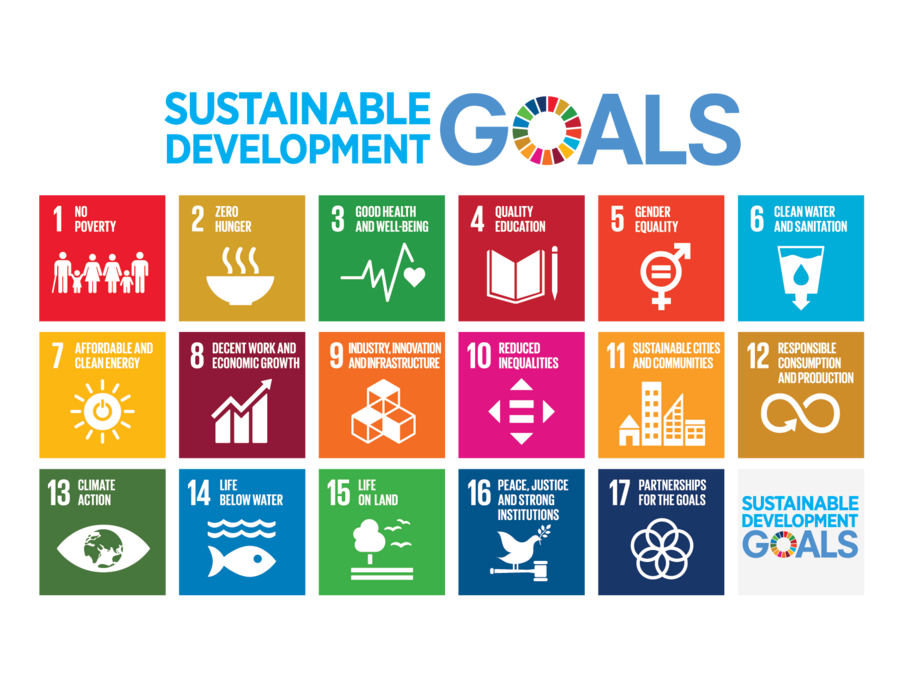
The Sustainable Development Goals (SDGs) are 17 global objectives established by the United Nations in 2015, designed to tackle critical challenges facing humanity and the planet by 2030. These goals aim to eradicate poverty, protect the environment, and promote prosperity for all, with specific targets and indicators for issues like health, education, and climate action. The SDGs stress the need for collaboration among countries and communities to achieve these ambitious targets, fostering a sustainable and equitable world.
Funds are directed to initiatives promoting renewable energy, sustainable farming, and green infrastructure. By understanding the impact of these loans on the SDGs, we can explore how financial systems can be restructured to prioritize environmental sustainability.
Green financing promotes sustainable development by mobilizing financial resources toward environmentally sustainable projects. Green financing could be promoted through changes in countries' regulatory frameworks, harmonizing public financial incentives, increases in green funding from different sectors, alignment of public sector financing decision-making with the environmental dimension of the Sustainable Development Goals, increases in investment in clean and green technologies, financing for sustainable natural resource-based green economies and climate-smart blue economy, increase use of green bonds.
In this blog post, we will delve into the impact of green loans on the SDGs, exploring how this innovative financing mechanism is helping to achieve a more sustainable and equitable world. We will examine the key features of green loans, their alignment with the SDGs, and how they drive positive change across various sectors. Join us as we uncover the transformative power of green loans and their potential to shape a brighter future for all.
Specific SDGs Supported by Green Loan Projects
Green loans directly support several key Sustainable Development Goals (SDGs) by channeling funds into initiatives that promote environmental sustainability and address pressing global challenges. Here are some of the specific SDGs that are most impacted by green loan projects:
SDGs
Green Loans
SDG 7: Affordable and Clean Energy
Green loans can finance renewable energy projects like solar, wind, and hydropower, increasing access to affordable and clean energy.
SDG 9: Industry, Innovation, and Infrastructure
Loans can support sustainable infrastructure development, including green buildings, clean transportation, and innovative city initiatives.
SDG 11: Sustainable Cities and Communities
Green loans enable the construction of sustainable, resilient, and inclusive cities and communities.
SDG 12: Responsible Consumption and Production
Financing can be directed towards projects that promote sustainable consumption and production patterns, such as waste management and recycling.
SDG 13: Climate Action
Green loans are a crucial tool for financing climate change mitigation and adaptation projects, helping to combat climate change and its impacts.
SDG 15: Life on Land
This goal aims to protect, restore, and promote the sustainable use of terrestrial ecosystems, manage forests sustainably, combat desertification, and halt biodiversity loss.
Green loans significantly advance the United Nations Sustainable Development Goals (SDGs) by providing essential financing for environmentally sustainable projects. These loans are designed to support initiatives contributing to climate change mitigation, biodiversity conservation, and sustainable resource management, aligning closely with several SDGs.
Contribution to Sustainable Development Goals
Green loans are increasingly recognized as a vital mechanism for financing projects that align with the United Nations Sustainable Development Goals (SDGs). These loans are specifically designed to fund environmentally sustainable initiatives, thus contributing to several key SDGs, particularly those related to climate action, sustainable cities, and responsible consumption.
Financing Mechanism
Green loans mobilize financial resources toward projects that have positive environmental impacts. This includes renewable energy, energy efficiency, sustainable agriculture, and water management funding. Such investments are crucial for achieving SDG 7 (Affordable and Clean Energy) and SDG 13 (Climate Action) by promoting clean energy solutions and reducing greenhouse gas emissions.
Support for Green Bonds
Multilateral Development Banks (MDBs) have pioneered issuing green bonds, often financed through green loans. These bonds have raised substantial funds for projects that meet strict environmental criteria. For instance, the World Bank has raised about $15 billion for clean energy and sustainable development projects through its green bond program. This aligns with SDG 9 (Industry, Innovation, and Infrastructure), which emphasizes building resilient infrastructure and promoting sustainable industrialization.
Private Sector Engagement
Green loans encourage private sector participation in sustainable development. Financial institutions increasingly incorporate Environmental, Social, and Governance (ESG) criteria into their lending practices, which helps align financial flows with sustainable development objectives. This shift is essential for achieving SDG 8 (Decent Work and Economic Growth) by fostering sustainable economic growth and job creation in green sectors.
Capacity Building and Partnerships
Green financing often involves partnerships between the public and private sectors, enhancing knowledge sharing and capacity building. This collaborative approach is vital for implementing SDG 17 (Partnerships for the Goals), which calls for strengthening the means of implementation and revitalizing global partnerships for sustainable development.
Addressing Systemic Issues
The Addis Ababa Action Agenda emphasizes the need for financing that aligns with economic, social, and environmental priorities. Green loans contribute to this framework by ensuring that financial resources are directed toward projects that address systemic issues such as poverty reduction and environmental sustainability, thereby supporting multiple SDGs simultaneously.
Green loans are a crucial financial instrument supporting the SDGs' achievement by enabling investments in sustainable projects, fostering private sector involvement, and promoting partnerships. Their role in mobilizing resources for climate action and sustainable development is essential as the global community strives to meet the 2030 Agenda.
Partnerships and Collaboration
Multi-stakeholder partnerships are crucial for promoting green financing and achieving the SDGs. Banks, investors, micro-credit entities, insurance companies, and public sector actors must collaborate to direct financial flows towards sustainable development priorities. The UN Environment Programme has been working with countries, financial regulators, and the finance sector to align financial systems with the 2030 sustainable development agenda.
Contribution to Achieving SDGs
Green loans contribute to achieving the SDGs by mobilizing financial resources that prioritize environmental sustainability. They enable the following:
Investment in Clean Technologies: Green loans facilitate the development and deployment of clean technologies essential for transitioning to a low-carbon economy.
Financial Inclusion: Green loans promote economic inclusion while supporting sustainable practices by providing access to financing for small and medium-sized enterprises (SMEs) and community projects.
Public-Private Partnerships: Green financing encourages collaboration between public and private sectors, leveraging resources and expertise to enhance project viability and impact.
Regulatory Support: Changes in regulatory frameworks can enhance the effectiveness of green loans, ensuring that financial systems align with sustainability goals. This includes harmonizing public financial incentives and increasing investment in green technologies.
The Role of Financial Innovation
Financial innovation plays a crucial role in driving sustainable development. Innovative financial products such as green loans can transform traditional financing models by integrating environmental considerations into financial decision-making. The concept of "green digital finance" further enhances this by utilizing technology to streamline access to green financing, improve transparency, and foster greater accountability for environmental impacts.
If every financial decision could contribute to a healthier planet, it would signify a paradigm shift in how economic activities are conducted. This shift would involve:
Aligning Investments with Sustainability Goals: Investors and financial institutions would prioritize projects that deliver both financial returns and environmental benefits, fundamentally reshaping capital allocation.
Enhancing Public Awareness: Increased awareness of the environmental impacts of financial decisions could lead to more responsible consumer behavior and investment choices.
Strengthening Regulatory Frameworks: Governments could implement policies incentivizing green investments, ensuring financial markets support sustainable economic growth.
Green loans are increasingly recognized as vital in promoting sustainable development and addressing climate change. They provide financing specifically for projects that align with the United Nations Sustainable Development Goals (SDGs), fostering initiatives in renewable energy, sustainable agriculture, and eco-friendly infrastructure.
How Does Zero Circle Help with Green Loans?
Zero Circle is a platform that contributes significantly to the effectiveness of green loans by facilitating access to financing for sustainable projects. Here are some ways Zero Circle supports this initiative:
Streamlined Access to Funding: Zero Circle connects project developers with financial institutions that offer green loans, simplifying obtaining funding for environmentally sustainable initiatives.
Enhanced Transparency: The platform utilizes technology to improve transparency in the use of funds. This accountability is crucial for ensuring investments are directed toward projects that contribute to sustainability.
Promotion of Clean Technologies: By focusing on financing for innovative clean technologies, Zero Circle helps accelerate the transition to a low-carbon economy, aligning with SDG 7 (Affordable and Clean Energy) and SDG 13 (Climate Action).
Capacity Building: Zero Circle often engages in partnerships that enhance stakeholder knowledge sharing and capacity building. This collaborative approach is essential for implementing SDG 17 (Partnerships for the Goals).
Financial Inclusion: The platform also aims to provide access to green financing for small and medium-sized enterprises (SMEs) and community projects, promoting economic inclusion while supporting sustainable practices.
Through these efforts, Zero Circle plays a crucial role in mobilizing resources for sustainable development, ensuring that green loans effectively contribute to achieving the SDGs.
Conclusion
Green loans represent a transformative financial mechanism that aligns closely with the United Nations Sustainable Development Goals (SDGs), driving significant progress toward a more sustainable and equitable world. Green loans address pressing global challenges such as climate change and environmental degradation and foster economic growth and innovation by channeling funds into projects that promote renewable energy, sustainable agriculture, and eco-friendly infrastructure.
The impact of green loans extends across multiple SDGs, particularly those focused on affordable and clean energy, sustainable cities, and responsible consumption. They facilitate investments in clean technologies, enhance public-private partnerships, and promote financial inclusion, thereby mobilizing resources that prioritize environmental sustainability. Furthermore, integrating financial innovation into green financing models is crucial for reshaping traditional economic practices, highlighting the potential for every financial decision to contribute to a healthier planet.
As the global community strives to meet the 2030 Agenda, the role of green loans in achieving sustainable development cannot be overstated. Their ability to mobilize resources, engage the private sector, and foster collaborative partnerships is essential in addressing systemic issues and ensuring a resilient future. Moving forward, continued support for green financing initiatives and regulatory frameworks that incentivize sustainable investments will be vital in realizing the full potential of green loans in promoting a sustainable and equitable world.
Frequently asked questions
Which SDGs do green loans support?
Green loans directly support goals including SDG 7 on affordable and clean energy, SDG 9 on industry and infrastructure, SDG 11 on sustainable cities, SDG 12 on responsible consumption, SDG 13 on climate action and SDG 15 on life on land.
How do green loans support climate action?
Green loans finance climate change mitigation and adaptation projects, helping to combat climate change and its impacts.
How do green loans engage the private sector?
Financial institutions increasingly incorporate ESG criteria into lending, and green loans give them a way to channel private capital to sustainable projects.
Why do partnerships matter for green financing?
Multi-stakeholder partnerships between banks, investors, micro-credit entities and the public sector share knowledge and build capacity, which helps scale green financing.