How Can Eco-Literacy Contribute in Developing a Sustainable Environment?
Discover how eco-literacy empowers individuals to make sustainable choices, fostering a greener, healthier planet for future generations. Learn practical steps to enhance your environmental awareness today.
Eco-literacy is understanding how natural systems work and how our actions affect them, then choosing to protect them. It helps build a sustainable environment by changing everyday habits, as water conservation education in California and urban farming in New York City show, though funding, resistance to change and gaps in school curriculums slow it down.
Have you ever thought about how deeply connected we are to nature? Every breath we take, every meal we eat, and every glass of water comes from the Earth.
But here’s a question: Are we truly aware of how our choices impact the environment? Imagine if everyone had the tools and knowledge to make decisions that benefited themselves and protected our planet for future generations. That’s what eco-literacy is all about!
Have you ever wondered why we still struggle to create a sustainable world despite all the technological advancements? What if the answer lies not in our innovations but in our understanding of the natural environment?
This blog will explore how understanding the environment can help create a sustainable future. So grab your favorite beverage, and let’s begin this journey together!
What is Eco-Literacy?
Eco-literacy—ever heard the term? It’s all about understanding how natural systems work, seeing how our actions affect them, and making choices that help the environment thrive. In simple terms, eco-literacy means becoming nature-smart.
When individuals become eco-literate, they see the environment as a system where every component plays a crucial role, from the smallest insects to the largest trees and from local streams to global climates.
Think of it this way: Just like financial literacy helps you manage money, eco-literacy enables you to manage your relationship with the planet. Pretty cool, right?
Why Does Eco-Literacy Matter for Sustainability?
A sustainable environment meets the needs of the present without compromising the ability of future generations to meet their own needs. Eco-literacy equips individuals and communities with the knowledge to:
Make Informed Choices: Understanding the environmental impact of our daily activities, like consuming single-use plastics or fossil fuels, can guide people toward more sustainable lifestyles.
Understand the Value of Biodiversity: Eco-literate individuals recognize how essential biodiversity is for the stability of ecosystems.
Example: In Costa Rica, eco-education programs helped local communities understand the importance of protecting rainforests, significantly reducing deforestation.
Address Climate Change: Eco-literacy highlights the science behind climate change and inspires collective action to reduce carbon footprints.
Fact: Renewable energy projects in places like Denmark have succeeded because public awareness campaigns focused on environmental education.
Support Sustainable Communities: Eco-literate communities can design more sustainable cities and rural environments by understanding ecological systems.
Many people are still unaware of how their daily actions impact the environment. Without proper education, eco-literacy remains out of reach for many communities.
Resource Constraints
Implementing eco-literacy programs often requires funding, trained educators, and access to natural spaces, which can be challenging for underprivileged areas.
Resistance to Change
Shifting behaviors and habits is never easy. People may resist adopting sustainable practices due to inconvenience or perceived costs.
Limited Integration in Schools
While some schools are embracing eco-literacy, many curriculums still lack a focus on environmental education, leaving students unprepared for real-world challenges.
Opportunities
Digital Platforms
Online courses, apps, and virtual workshops can make eco-literacy accessible to people of all ages and locations. Imagine learning about ecosystems through interactive videos and games!
Community Engagement
Grassroots movements and community projects like clean-ups or tree-planting drives can spread awareness while creating a sense of unity.
Government Initiatives
Policies promoting renewable energy, sustainable farming, and conservation education can support large-scale eco-literacy efforts.
Corporate Responsibility
Businesses are stepping up by offering eco-friendly products and educating consumers about sustainability. Supporting these initiatives can create a ripple effect.
Inspiring Youth Leadership
Young activists like Greta Thunberg show how empowered individuals can lead global movements. Encouraging eco-literacy among the youth can unlock a new generation of changemakers.
Let’s Talk: How Do We Learn Eco-Literacy?
Promoting eco-literacy involves integrating environmental education into all areas of life:
In Schools: Including topics like conservation, pollution, and sustainability in curriculums helps students develop eco-conscious mindsets from a young age.
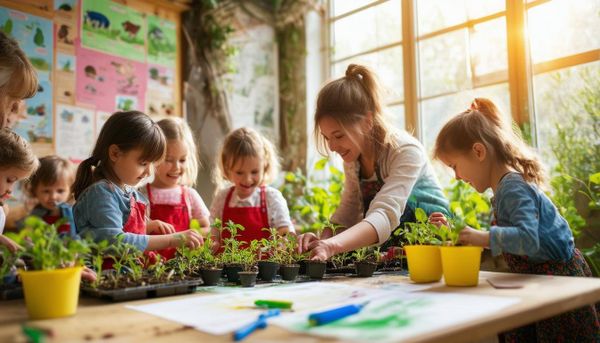
Through Experiential Learning: Field trips, community clean-ups, and projects like composting teach individuals about environmental responsibility through hands-on experience.
Public Awareness Campaigns: Governments and NGOs can use media platforms to spread knowledge about sustainable practices and inspire action.
Community Engagement: Local initiatives like tree-planting drives, recycling programs, and renewable energy workshops empower communities to embrace sustainability.
What’s In It for You and the Planet?
When people are eco-literate, they:
Reduce their environmental impact by adopting sustainable habits.
Become advocates for policies that prioritize the planet’s health.
Inspire others to act responsibly toward the environment.
On a larger scale, eco-literate societies help combat global issues like climate change, resource depletion, and environmental degradation.
Eco-Literacy in Action: Real-Life Success Stories
California’s Water Conservation Education: In response to severe droughts, California implemented water conservation education programs that teach residents how to reduce water usage. Thanks to these efforts, simple practices like using drought-resistant landscaping, also known as xeriscaping, have become widespread.
So, where do we go from here? Eco-literacy is more than just knowledge; it’s a powerful tool for change. Imagine a world where everyone understands the value of nature, respects its limits, and actively works to protect it.
That’s the future we can create together. Start small—replace a habit, share your learning, or join a local initiative. The ripple effects of your actions can inspire others and create a collective wave of positive change.
What steps are you taking to become more eco-literate and contribute to a greener, more sustainable world? Can you imagine the power of a world where everyone values and understands the importance of living in harmony with nature?
The future of our planet depends on it. Let’s start today.
The sustainability journey isn’t a solo mission. It’s a community effort, and every little step counts. Are you ready to take yours? Let’s walk this path toward a greener, healthier, and more sustainable world.
Frequently asked questions
What is eco-literacy?
Eco-literacy is understanding how natural systems work, seeing how our actions affect them, and making choices that protect them.
Why does eco-literacy matter for sustainability?
A sustainable environment meets present needs without compromising future generations. Eco-literacy gives people the knowledge to adopt habits such as reducing waste, fixing leaks and harvesting rainwater.
What are the challenges to spreading eco-literacy?
Many people are unaware of how daily actions affect the environment, programs need funding, trained educators and access to natural spaces, people resist changing habits, and many school curriculums still lack environmental education.
What are examples of eco-literacy in action?
California's water conservation education taught residents to reduce water use with practices like drought-resistant landscaping. In New York City, eco-literacy initiatives helped fuel urban farming projects such as Brooklyn Grange.